
The Nepal Health Professional Council (NHPC) has announced a new initiative to make Continued Professional Development (CPD) mandatory for all registered healthcare workers. This CPD program is designed to ensure that professionals continuously update their knowledge and skills to keep pace with the latest advancements in medicine and technology.
Under the new policy, all registered healthcare professionals will be required to complete CPD programs to renew their licenses. This move, which is expected to significantly enhance the quality of healthcare services across Nepal, has been in the works for some time. The council has already held discussions with various stakeholders and developed a preliminary model for the program.
"CPD encourages healthcare professionals to continuously update their knowledge and skills, which is why we are making this program mandatory," said NHPC Chairman Subodh Sharma. He also shared that a new procedure, based on the existing laws and regulations, will be implemented to enforce this change.
This initiative is particularly aimed at reaching professionals in remote areas who have limited access to regular training opportunities. The NHPC plans to establish training centers at various medical colleges and institutions nationwide to ensure accessibility for all. While acknowledging that there will be challenges, Chairman Sharma remains committed to implementing the program, stating, "We will face these challenges and start this work."
The importance of this program is underscored by the rapid pace of development in the medical field. As pointed out by Professor Dr. Mohan Raj Sharma, Dean of the Institute of Medicine (IOM) at Tribhuvan University, a healthcare worker's knowledge on a topic like hypertension can diminish by as much as 90% in just 10 years.
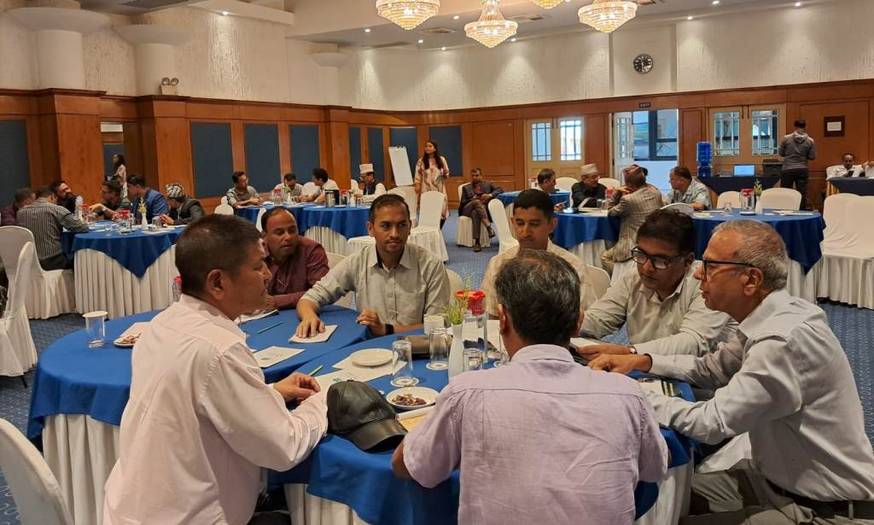
This sentiment was echoed by other experts and stakeholders, who emphasized the need for practical and high-quality CPD programs rather than just "paperwork." Dr. Mahendra Shrestha, former Director General of the Department of Health Services, suggested that professionals could fulfill the required credits by attending just seven days of CPD training each year over five years.
The NHPC's new CPD program aligns with global standards, as similar license renewal systems have been in place in countries like the United States since 1994. The council anticipates that this new requirement will not only improve the quality of healthcare but also make professionals more accountable and proficient. The World Health Organization (WHO) has also expressed its full support for the program, with Dr. Gampo Dorji assuring the NHPC of the organization's continued cooperation.